Money, Shopping, and Staying Safe
Everything from exchanging money to bargaining at markets. Plus the phrases that help you stay safe and confident in unfamiliar situations.

Why Money Conversations Matter
When you’re traveling in Canada, money isn’t just about numbers — it’s about confidence. Whether you’re exchanging currency at a bank, haggling at a local market, or asking for a refund, you need the right phrases in Spanish. It’s not complicated, but it does matter.
Here’s the thing: Canadians are generally helpful when they see you’re making an effort to communicate. You don’t need perfect Spanish. You need clear, practical phrases that actually get you what you need. Plus a few safety essentials for when things feel uncertain.
Exchanging Money Without Stress
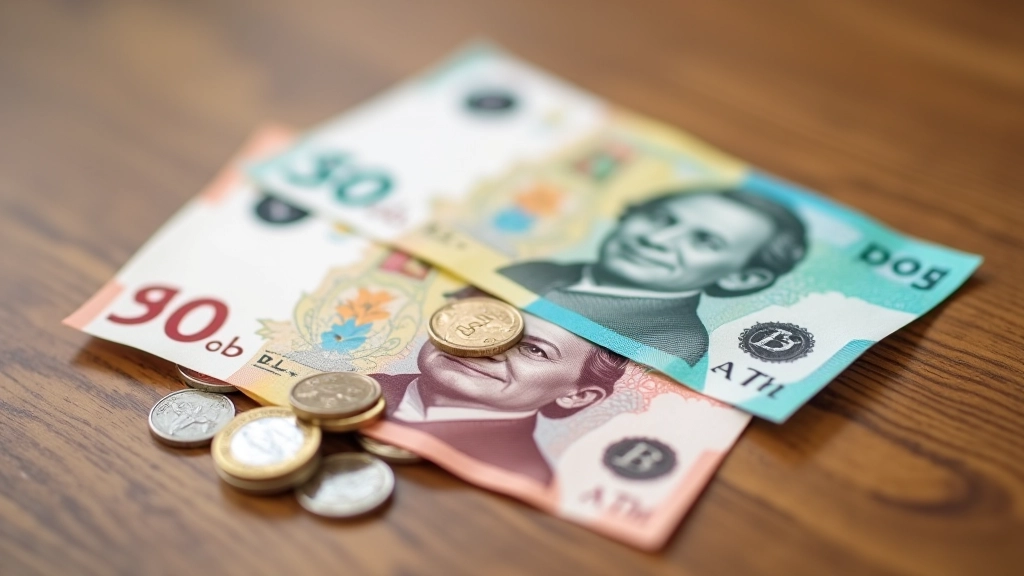
Canada uses the Canadian Dollar (CAD), and you’ll find exchange services at banks, airports, and currency exchange shops. Most places in major cities accept debit and credit cards, but having some cash is still useful — especially outside the city or at smaller vendors.
When you walk into a bank or exchange booth, these phrases work:
- Quisiera cambiar dinero — I’d like to exchange money
- Cuál es el tipo de cambio hoy? — What’s today’s exchange rate?
- Hay comisión? — Is there a fee?
- Quiero euros por dólares canadienses — I want euros for Canadian dollars
Most banks in Canada exchange currency at fair rates. The airport has higher fees, so only exchange what you absolutely need there. If you’re staying for a while, opening a temporary account at a major bank like TD or RBC usually gives you better rates.


Shopping and Negotiating Price
In malls and chain stores, prices are fixed — that’s just how it works in Canada. But at farmers markets, vintage shops, and especially when traveling outside major cities, you can often negotiate. Locals appreciate when you try Spanish, and it actually helps when bargaining.
Use these phrases at markets or independent shops:
- Cuánto cuesta? — How much does it cost?
- Es tu mejor precio? — Is that your best price?
- Hay descuento si compro dos? — Is there a discount if I buy two?
- Es un poco caro — It’s a bit expensive
- Puedo pagar en efectivo? — Can I pay in cash? (sometimes gets you a discount)
Here’s what most travelers don’t know: Canadian markets operate differently than Latin American ones. Haggling works, but it’s more subtle. Start with “Es tu mejor precio?” — that question alone signals you’re interested in negotiating without being aggressive about it.
Staying Safe and Asking for Help
Safety isn’t complicated. It’s mostly about awareness and knowing how to ask for help when you need it. Canada’s generally safe, but you should still be aware of your surroundings — especially in downtown cores or at night. And if something feels off, trust that feeling.
These phrases help when you feel uncertain:
- Es seguro este barrio? — Is this neighborhood safe?
- Puedo ir a pie o debo tomar taxi? — Can I walk or should I take a taxi?
- Necesito ayuda — I need help
- Dónde está la policÃa? — Where’s the police station?
- He perdido mi pasaporte — I’ve lost my passport
- Puedo llamar a la embajada? — Can I call the embassy?
Most important thing: Keep copies of important documents separate from the originals. Don’t carry all your money in one place. And in Canadian cities, the police are actually helpful — they’re used to tourists and won’t judge you for not speaking perfect English or French.

Real Situations and Quick Responses
These are actual conversations you might have. We’ve simplified them to what actually matters.
At a Café or Restaurant
You: “Cuánto es la cuenta?”
Server: “That’s $14.99”
You: “Incluye propina?” (Does it include tip?)
Most Canadian restaurants don’t include tip — it’s added separately. Standard is 15-20%. Debit and credit cards work almost everywhere.
When You Don’t Understand the Price
You: “Puedes repetir el precio?” (Can you repeat the price?)
Or: “Puedo ver el recibo?” (Can I see the receipt?)
Written prices are always clearer. In Canada, taxes aren’t included in the listed price — they’re added at checkout. So something labeled $10 will cost $11.50+ depending on province.
If Something Feels Wrong
You: “Creo que hay un error” (I think there’s a mistake)
Or: “Esto no es correcto” (This isn’t right)
Don’t accept something that doesn’t feel right. Canadians appreciate directness. Politely ask to see the math, get a manager, or simply say no and walk away.
The Real Takeaway
You don’t need to be fluent to handle money, shop, and stay safe in Canada. You need a handful of practical phrases, basic awareness, and confidence. The hardest part isn’t the language — it’s believing you can do it.
Start with the essentials: “Cuánto cuesta?” (How much does it cost?), “Es seguro?” (Is it safe?), and “Necesito ayuda” (I need help). Once you can ask those three questions, you’ve got the foundation. Everything else builds from there.
Most people you’ll meet in Canada have traveled too. They understand what it’s like to be in an unfamiliar place. Speaking Spanish — even imperfectly — shows respect and effort. That matters more than you think.
Ready for Your Next Travel Conversation?
These phrases work. Practice them once, and you’ll remember them when you need them.
Explore More Travel PhrasesDisclaimer
This article is educational and designed to help Spanish learners communicate in practical travel situations. Exchange rates, prices, and regulations change regularly — always verify current information with official sources like your bank or Canadian government websites. While the phrases provided are accurate, real conversations may vary based on regional differences, accents, and individual circumstances. For legal or financial advice, consult with professionals. Your safety is important — when in doubt, contact local authorities or your country’s embassy.